Indoor gardening has seen a significant rise in popularity, with a recent survey showing that 35% of households now grow some of their food indoors. Homegrown tomatoes not only boast incredible flavor, but they also allow for a year-round harvest and control over growing conditions. This guide will provide all you need to know for growing delicious tomatoes indoors, from picking the best varieties to the moment you harvest those ripe fruits.
Choosing the Right Tomato Variety for Indoor Growing
Dwarf and Determinate Tomato Varieties
When space is limited, dwarf and determinate tomato varieties are perfect. These compact plants typically grow 1 to 3 feet tall, making them ideal for indoor settings. Some recommended varieties include:
-
Tiny Tim: A cherry tomato that grows only about 12 inches tall.
-
Patio Princess: Produces small fruits and grows well in pots.
-
Bush Early Girl: Early producer that stays compact and flavorful.
Seed Starting vs. Seedlings
Starting from seeds or buying seedlings each has its own benefits. Seed starting can be more cost-effective and allows for a wider variety selection but requires more time and patience. Statistics show that 80% of seed starters succeed with the right conditions. Seedlings, on the other hand, offer convenience and a head start but can be more expensive. Consider your available time and gardening experience when making this choice.
Considering Your Space
Evaluate your available space to choose the right varieties. Consider factors like:
- Total square footage of your growing area.
- Pot sizes available and how many you can accommodate.
- Light availability near windows or grow lights.
Creating the Perfect Indoor Tomato Environment
Light Requirements
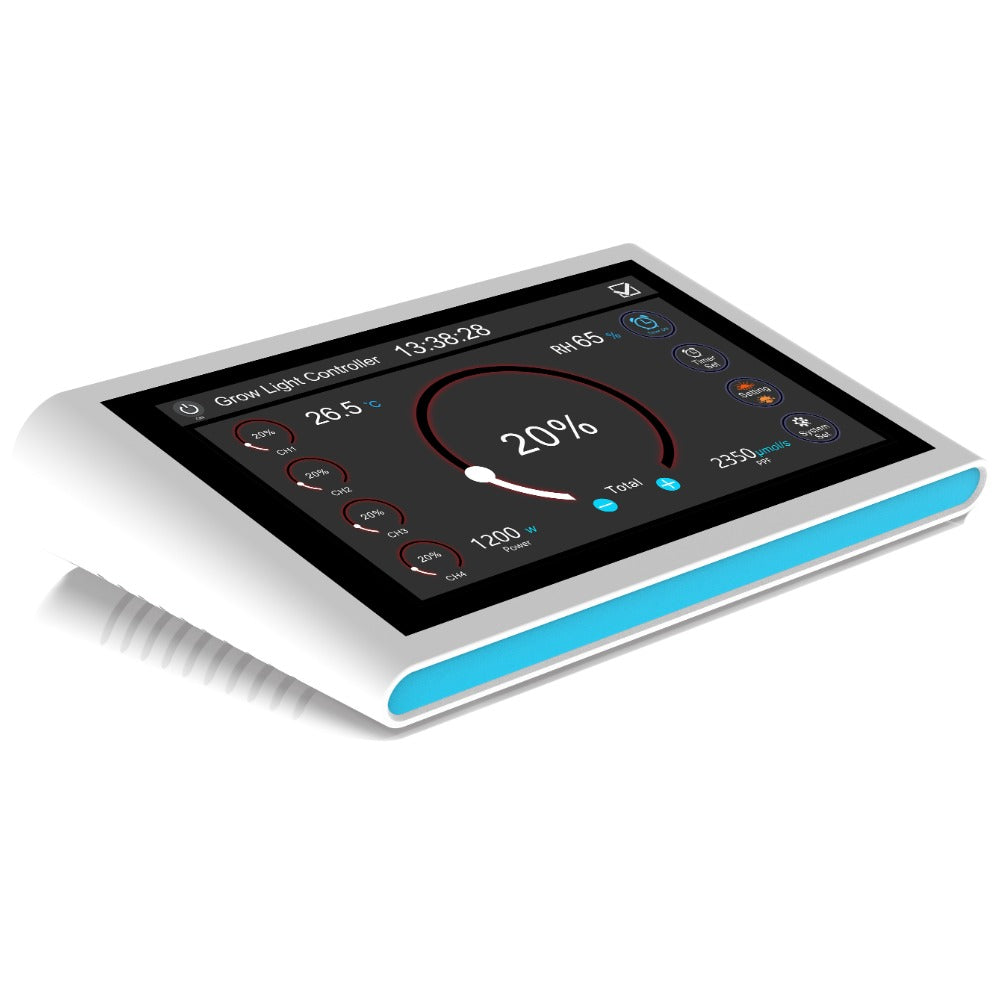
Tomatoes require plenty of sunlight, ideally 12 to 16 hours a day. If sunlight is scarce, consider using grow lights. “Indoor plants thrive under spectrum-managed grow lights that mimic natural sunlight,” says renowned horticulturalist Dr. Jane Green. Options like LED grow lights are energy-efficient and effective for indoor gardens.
Temperature and Humidity Control
The ideal temperature for tomato plants is between 70°F to 80°F (20°C to 27°C) during the day, dropping slightly at night. Humidity should stay around 40% to 70%. To maintain these conditions, consider using:
- A small fan for air circulation.
- A humidifier for dry environments.
For instance, many successful indoor growers use a combination of heating mats and trays filled with water to create the perfect microclimate.
Proper Potting Mix and Container Selection
Select a well-draining potting mix. Look for mixes high in organic matter, enriched with peat moss or coconut coir. Here are a few recommendations for containers:
-
Plastic Pots: Lightweight and affordable.
-
Terracotta Pots: Provide better aeration and moisture control.
-
Fabric Pots: Encourage healthy root growth and prevent overwatering.
Planting and Caring for Your Indoor Tomatoes
Planting Seeds or Seedlings
Follow these steps for planting:
- Fill pots with potting mix.
- For seeds, plant about ¼ inch deep; for seedlings, place them at the same depth they were in their nursery pot.
- Water gently but thoroughly.
Watering Techniques
Proper watering is essential. Overwatering can lead to root rot while underwatering causes stress. A good tip is to check soil moisture by inserting a finger about an inch deep. If it feels dry, it’s time to water.
Fertilizing Your Tomato Plants
Regular fertilization ensures robust growth. Use a balanced fertilizer, such as a 5-10-10 formula. This type encourages strong root development and fruit production. A popular choice is Miracle-Gro Water Soluble Tomato Plant Food, which provides essential nutrients and promotes healthy growth.
Pest and Disease Management for Indoor Tomatoes
Common Indoor Tomato Pests
Indoor tomatoes can attract pests like:
-
Aphids: Small, green insects that suck sap.
-
Whiteflies: Tiny, white insects that can cause yellowing leaves.
-
Spider Mites: Tiny pests that create webs on the plant.
To prevent and treat infestations, consider using neem oil or insecticidal soaps as natural pest control.
Preventing and Treating Diseases
Common diseases affecting indoor tomatoes include blight and blossom end rot. To combat these issues:
- Ensure proper ventilation around your plants.
- Maintain cleanliness by discarding any dead or diseased leaves.
For example, blossom end rot can be addressed by ensuring consistent watering and calcium levels in the soil.
Monitoring for Problems
Regularly inspect your plants for any early signs of pest or disease issues. Catching problems early greatly increases your chances of recovery.
Harvesting and Enjoying Your Homegrown Tomatoes
Signs of Ripeness
Ripeness in tomatoes can be determined by:
- Color: Look for vibrant hues—deep red or yellow, depending on the variety.
- Texture: Gently squeeze; a ripe tomato should be firm but slightly soft.
Harvesting Techniques
To harvest, gently twist the tomato from the stem, or use scissors to avoid damaging the plant. Handle them carefully to prevent bruising.
Storing and Using Your Harvest
To maximize freshness, store harvested tomatoes at room temperature. Use your tomatoes in various recipes—fresh salads, sauces, or sandwiches. For something special, try making homemade tomato salsa or bruschetta.
Conclusion
Growing tomatoes indoors is a rewarding experience that offers delicious fruits and the satisfaction of home gardening. Key steps include choosing suitable varieties, providing proper care, and managing pests effectively. With a little effort, you can enjoy a bountiful harvest of fresh tomatoes. Start your indoor tomato garden today and relish the benefits!